The Doctor Will Now See You: The Rise of Social Prescribing

The Doctor Will Now See You: The Rise of Social Prescribing

Across the world, a quiet but powerful shift is taking place in how we think about health and wellbeing. As highlighted by Global Wellness Institute, governments and healthcare systems are increasingly embracing “social prescribing”, the idea that wellbeing doesn’t just come from medicine, but from meaningful human experiences.

From art classes to walking clubs, doctors are now prescribing participation, creativity, and connection. In the UK, this movement has already generated millions of referrals through the NHS, while countries like the Netherlands and the United States are building similar frameworks. The premise is simple: as our lives become more digital and fragmented, our need for real-world, shared experiences becomes more essential, not less.

What’s striking is that this isn’t speculative. The benefits are now evidence-based. Creative engagement has been shown to significantly reduce the likelihood of depression, while music and sensory interventions are proving to impact pain, recovery, and emotional states. In other words, the environments we place ourselves in, and the experiences we engage with, are not just “nice to have.” They are fundamental to how we feel and function.

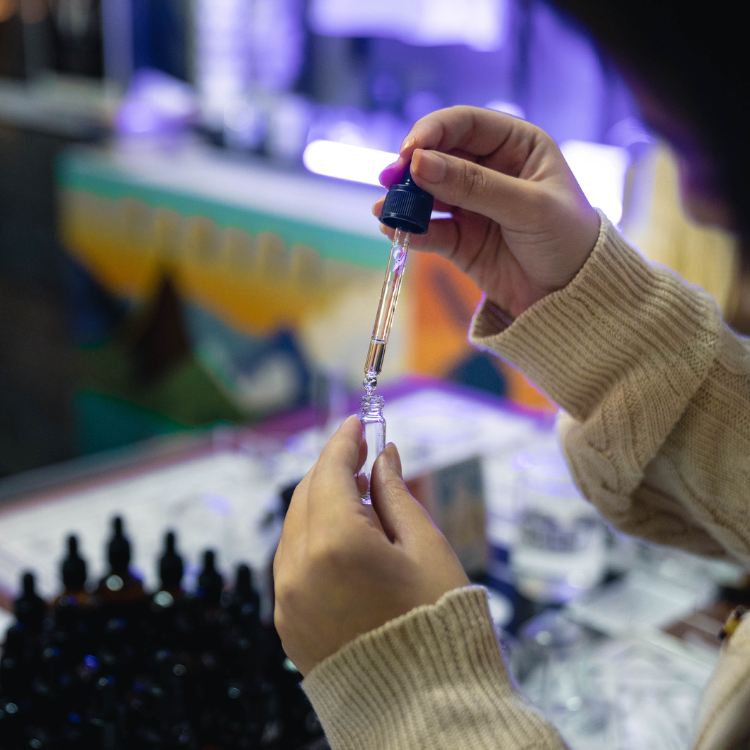
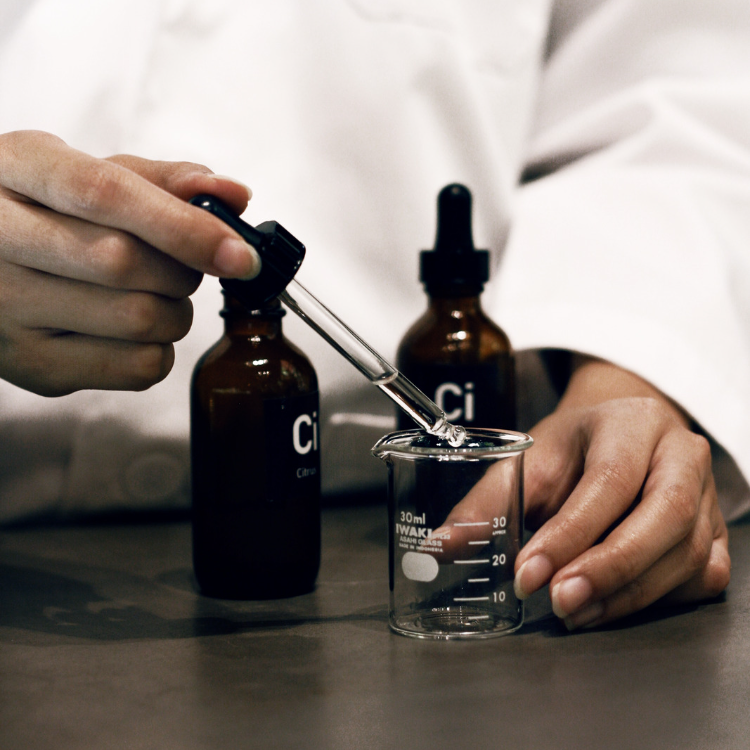
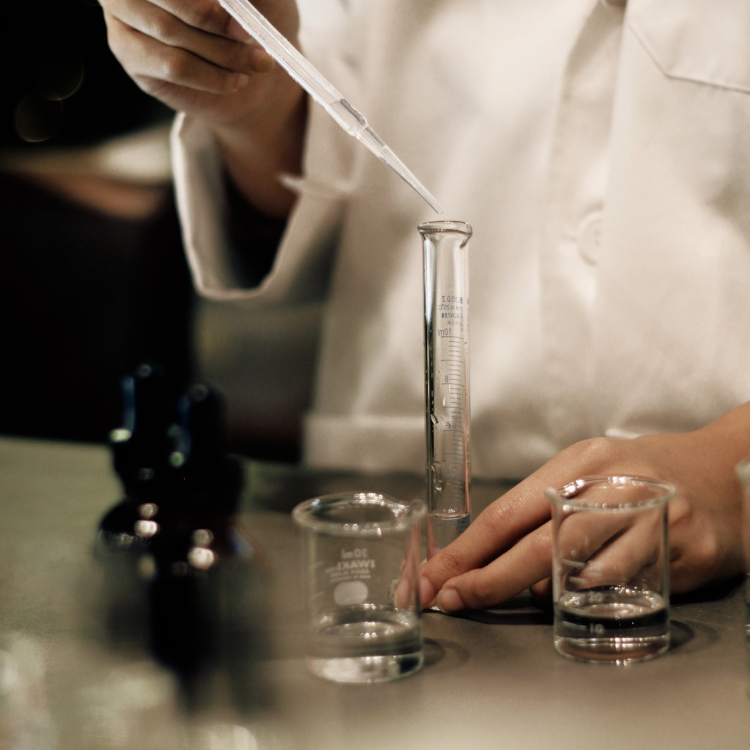
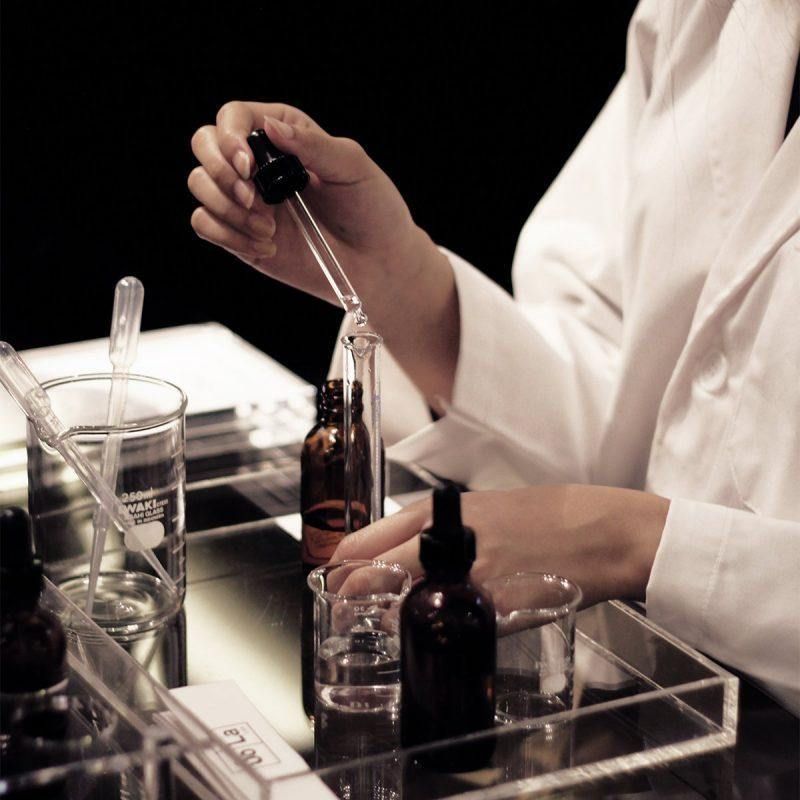
Inside Oo La Lab, this resonates deeply with what we’ve been building, often without naming it in these terms. For years, we’ve seen firsthand how scent can act as a gateway into presence, memory, and emotion. When someone walks into a space and begins to explore fragrance - blending, smelling, reacting - they are doing more than creating a physical product. They are engaging in a sensory ritual that reconnects them to themselves and to others.

This is where I believe the next evolution of social prescribing lies.

Today, most prescriptions focus on visible or familiar activities: movement, art, music, social clubs. But there is a broader sensory layer that remains largely untapped, one that includes scent, sound, and frequency. These are powerful, immediate pathways into the nervous system. They don’t require explanation or training. They simply work.

Imagine a future where, alongside a recommendation to join a walking group or attend a painting class, you are invited into a guided scent experience designed to regulate your state - whether that’s grounding, energising, or calming. Imagine spaces where fragrance is not just a product, but a medium for wellbeing, exploration, and connection.

This is not about replacing existing models, but expanding them.

As Social Prescribing USA co-founder Alan Siegel puts it, most healing happens outside of clinics and hospitals. I would add: much of that healing also happens beyond what we can see or easily articulate. It lives in the subtle layers of experience - the atmosphere of a space, the scent in the air, the way something makes us feel before we have the words for it.

Social prescribing is gaining momentum because it acknowledges a truth we’ve long overlooked: wellbeing is not something we consume, but something we participate in.

The opportunity now is to deepen that participation, to design experiences that are not only social, but sensory. Not only engaging, but transformative.

And in that future, scent has a meaningful role to play.